
Five ideas, papers, and products shaping our investment thinking, and what we think they mean. This series is powered by an AI assistant that helps synthesize recurring themes from our discussions, alongside our own reflections.
Cities are software products. CitySim gives LLM agents beliefs, long-term goals, habits and spatial memory, then asks them to generate their own schedules. In a Tokyo setting, the system reproduced patterns in Japanese time-use and travel data, while forecasting Shibuya crowding and venue popularity better than prior agent systems. The paper demonstrates realistic behavior at 1,000 agents and system scalability to one million. Urban planning, site selection and infrastructure design can become iterative software workflows.


AI will find more bugs than teams can fix. OpenAI classified GPT-6 Astra as Critical for cybersecurity after testing showed sharp advances in vulnerability discovery and exploit development. That means security teams will receive more potential issues than they can assess and resolve manually. We think winning products will identify which reports are real and urgent, generate patches, test them against production dependencies, and safely deploy or roll them back. We also think winning companies will pair autonomous remediation agents with human ownership and clear operational controls.


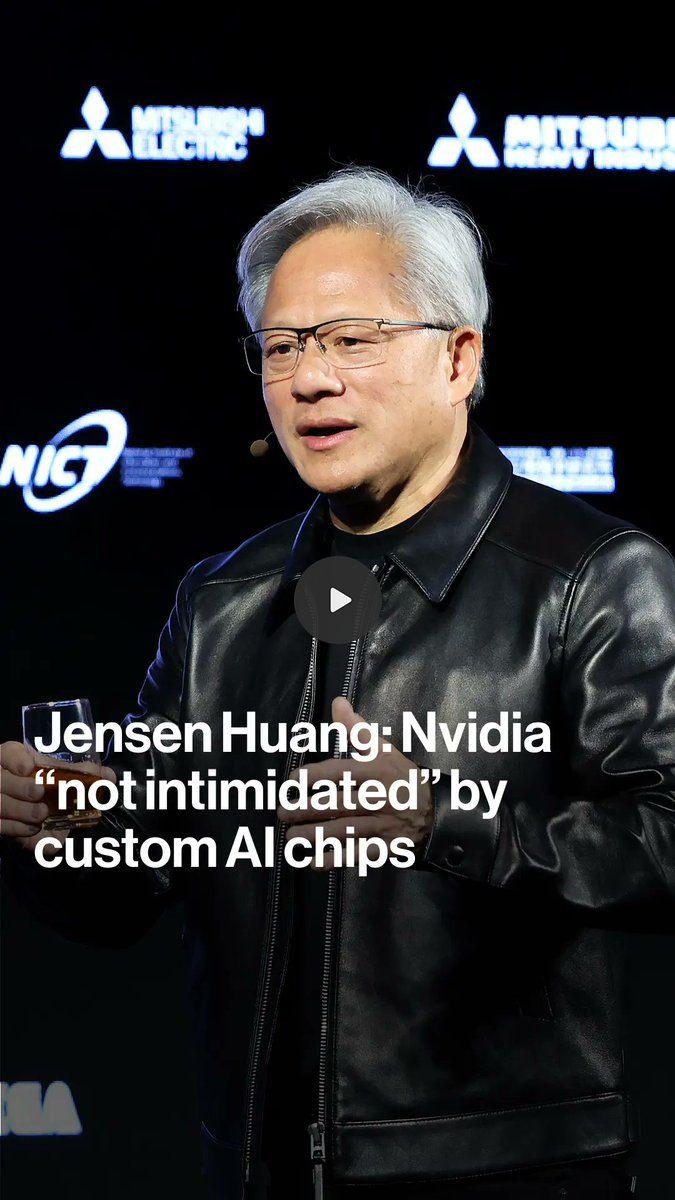
NVIDIA is making custom chips work inside its ecosystem. It invested $3.5B in MediaTek and will let MediaTek offer customers a way to connect custom AI accelerators to NVIDIA’s NVLink systems. Model labs and hyperscalers increasingly want silicon built around their specific workloads. But a chip alone is not a data center: it needs memory, networking, software, cooling and operational support that work together. This is a bullish NVIDIA story. Custom chips expand, but NVIDIA can still own the systems that deploy them at scale. Startups need a clear workload-specific advantage, not another generic accelerator.

The next social network may be a world, not a feed. Diiverge turns a single image into a persistent point-and-click adventure. Choose an object, decide what happens, and the scene continues as video. Each choice creates a branch that remains available to the next visitor. This makes generative video feel less like a format for watching and more like an environment people can shape together. The interesting products will not simply generate infinite content. They will give people reasons to return to worlds they helped create, explore the paths other people made, and build a shared history inside them.


Agents need identity before they can become economic actors. Long-running agents will hold credentials, purchase compute, call services, move money and build reputations over time. That requires persistent identity, clear permissions and accountability when something goes wrong. The debate around self-sovereign agents is still speculative, but the infrastructure problem is already real. An agent acting for a person, an organization or itself needs different rights and limits. We think agent identity becomes a core layer of the agentic economy, making autonomy legible to businesses, financial institutions and the systems agents will increasingly operate.

We’ll share another edition next week.